March, 12, 2026
Stress is a normal part of life — but when it becomes chronic, overwhelming, or unrelenting, it can significantly impact brain function, emotional health, and overall quality of life. Many individuals living with prolonged stress begin to feel emotionally exhausted, mentally foggy, irritable, or “stuck,” even when they are doing everything they can to cope.
This raises an important question: Is stress alone a valid reason to consider Transcranial Magnetic Stimulation (TMS)?
At McMonigle Neurology Associates, stress is evaluated through a neurological lens — recognizing when stress is a temporary life response and when it may be contributing to deeper, treatable brain-based conditions.
Stress activates the brain’s survival systems. In short bursts, this response is protective. However, chronic stress keeps the nervous system in a prolonged state of alert, which can disrupt communication between key brain regions involved in:
Mood regulation
Emotional control
Motivation
Sleep
Focus and decision-making
Over time, chronic stress can alter activity in the prefrontal cortex, limbic system, and stress-response pathways. These changes may begin to resemble symptoms seen in anxiety, depression, burnout, or emotional dysregulation.
Stress may warrant professional evaluation when it:
Persists for months without relief
Interferes with work, relationships, or daily functioning
Causes emotional numbness, irritability, or low mood
Leads to sleep disruption or cognitive difficulties
Feels unmanageable despite lifestyle changes or therapy
At this point, stress is often no longer just situational — it may be affecting brain function in ways that benefit from medical intervention.
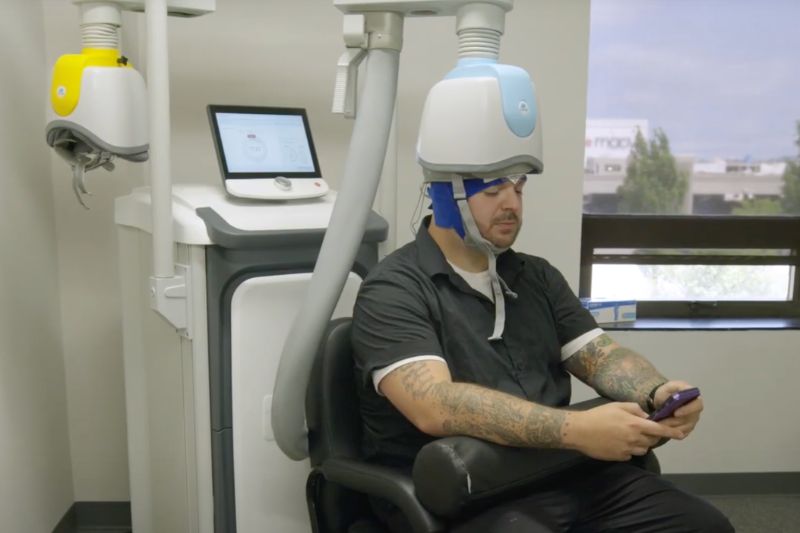
Transcranial Magnetic Stimulation (TMS) is a non-invasive, FDA-approved therapy that uses targeted magnetic pulses to stimulate specific areas of the brain involved in mood and emotional regulation.
TMS works by:
Improving communication between neural networks
Enhancing activity in underactive brain regions
Supporting healthier emotional and cognitive processing
TMS does not require medication, anesthesia, or recovery time and is performed in an outpatient setting.
Stress by itself is not typically the primary diagnosis for TMS treatment. However, this does not mean stress is irrelevant.
In many cases, chronic stress contributes to or masks underlying conditions such as:
Depression
Anxiety disorders
Burnout
Emotional dysregulation
Trauma-related symptoms
When stress has led to one of these diagnosable, brain-based conditions — especially when symptoms persist despite standard treatments — TMS may be an appropriate and effective option.
For individuals whose stress has progressed into mood or emotional regulation disorders, TMS may help by:
Reducing emotional overload
Improving mood stability
Restoring motivation and mental clarity
Supporting emotional resilience
Decreasing symptoms of anxiety or depressive states
Rather than treating “stress” itself, TMS addresses the neurological effects of prolonged stress on the brain.
Not everyone experiencing stress needs TMS. That’s why comprehensive evaluation is essential.
At McMonigle Neurology Associates, evaluation includes:
Detailed symptom history
Assessment of mood, emotional regulation, and cognition
Review of stress duration and severity
Identification of co-occurring conditions
This process ensures that TMS is recommended only when it is medically appropriate and likely to be beneficial.
TMS may be considered when:
Stress has contributed to depression or anxiety
Symptoms are persistent and impair daily life
Traditional treatments have not provided sufficient relief
The individual is seeking a non-medication option
The goal is not to treat everyday stress — but to help individuals whose brains have become dysregulated under prolonged strain.
Living in constant stress can push the brain into survival mode, where healing, motivation, and emotional balance feel out of reach. With proper neurological care, it is possible to move beyond this state and regain stability, clarity, and quality of life.
TMS is one of several advanced tools that may help restore balance when stress has deeply affected brain function.
At McMonigle Neurology Associates, treatment decisions are made with care, precision, and compassion. Stress is never dismissed — but it is also never treated in isolation.
By understanding how stress interacts with the brain and identifying when advanced treatment is appropriate, patients are guided toward care that supports long-term wellbeing — not just temporary relief.